
Choosing a massage therapist is the part of the booking that most people rush. It is easy to compare session names and lengths, and much harder to judge who will actually be in the room with you, how they work, and whether you will feel comfortable enough to let an hour pass without watching the clock. In a city like Porto, where the choice is wide and the listings all look similar, that judgment is what separates a session you remember for the right reasons from one you would rather forget.
This guide looks at the therapist rather than the treatment menu: how to read a profile before you book, how to state what you need, what a professional session guarantees, and the questions that are fair to ask before you hand over your time. It is written for anyone booking a bodywork appointment in the centre of Porto, whether it is a first relaxation massage or something slower and more specific.
Why the therapist matters as much as the style
Two therapists can deliver the same style of massage and produce two completely different hours. Technique matters, but what guests describe afterwards is usually something else: whether the pressure was read correctly, whether the room felt calm, whether they were asked anything at all, and whether they felt able to say “a little lighter, please” without it becoming an event.
The styles themselves are only a starting point. Tantric massage, body to body and a full body relaxation session may share the same table, the same warm oil and the same private room, and still ask for different qualities from the person giving them. Slower, meditative work calls for patience. Firmer work on a tense back calls for control and feedback. A first appointment calls for someone who explains without lecturing.
The therapist is the one who reads your body
No menu can know that your right shoulder is the problem, that your lower back tightens when you are stressed, or that you dislike having your feet touched. A good therapist finds those things out in the first ten minutes and adjusts, sometimes without needing to be told twice.
Experience shows up in small details
Experience is rarely visible in a list of styles. It shows in how a therapist handles the beginning of the session, how they check in without interrupting the rhythm, how they manage the transition when they move from one area to another, and how they close an appointment so that you leave settled rather than suddenly dismissed.
Male or female therapist: how to decide
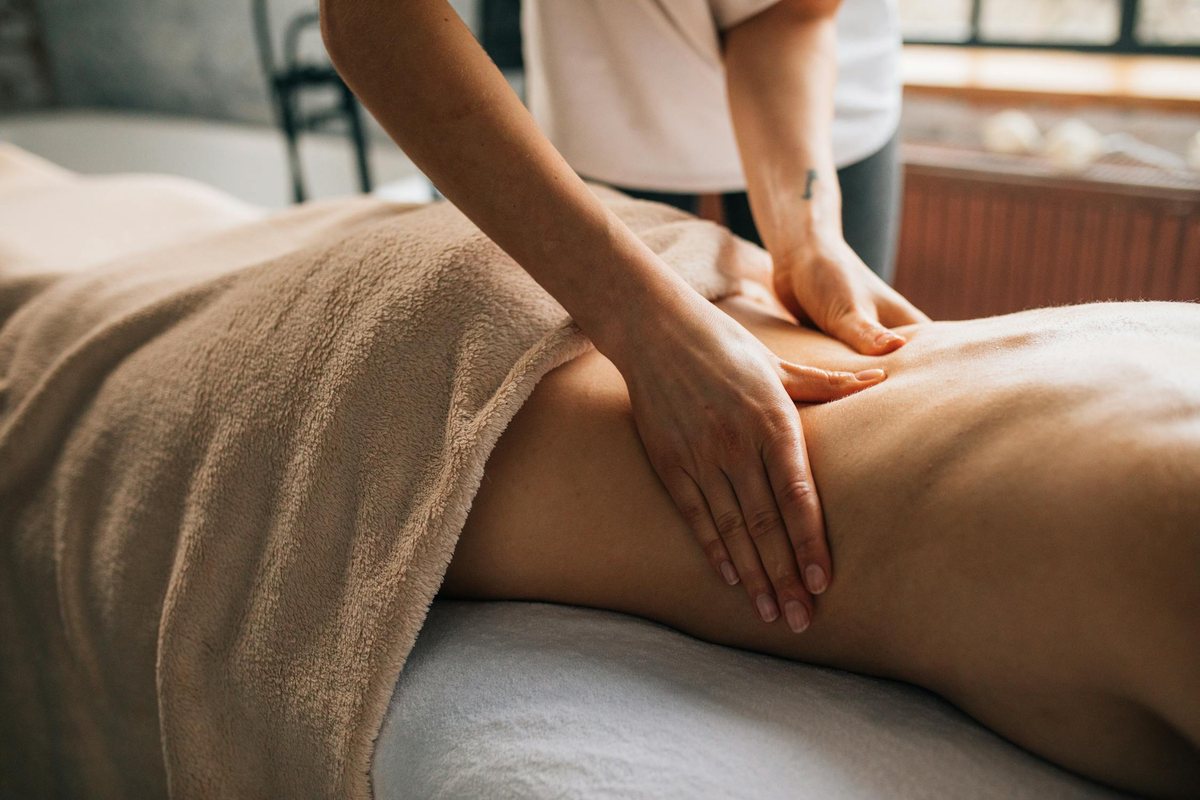
A professional studio works with both male and female therapists, and requesting one or the other is an ordinary part of booking rather than an awkward request. There is no correct answer. Some guests prefer a female therapist for a first appointment and find it easier to relax. Others prefer a male therapist, particularly for firmer work across the back and shoulders. Many have no preference at all and simply want the style they booked.
What matters is that the preference is respected and that you never have to justify it. If your comfort depends on who is in the room, say so when you book. If you would rather not explain, you do not have to: a well run studio treats a preference as a scheduling detail, not as a confession.
Couples and shared appointments
If you are booking for two, the question becomes slightly different. You will want to know whether the two therapists work at a similar pace, whether you will be in the same room or in adjoining rooms, and whether you can switch styles between the two of you. A session for two is usually arranged so that neither person feels they are waiting or rushing to keep up.

Reading a therapist profile before you book
The profile page is not marketing decoration. It is the closest thing you get to meeting the therapist before the appointment, and it tells you more than most people notice.
What a useful profile tells you
A profile worth reading mentions the styles the therapist actually works with, rather than listing the entire menu. It describes a working approach in plain language, states the languages the session can be given in, and gives you a realistic idea of what the hour will feel like. The therapist profiles published by a studio in the centre of Porto are the best place to start, because they are written for the person booking rather than for a search engine.
What no profile can tell you
A profile cannot tell you whether the rhythm will suit you, whether the room will feel too cool, or whether you will click with the person. That is normal. It is also why the first few minutes of the appointment exist, and why changing therapist after a first session is not a complaint. It is simply how you find the person whose hands you want to book again.
Questions that are fair to ask before booking
Asking before you book is easier than asking in the room. Reasonable questions include which therapist is available at the hour you want, which styles they work with, whether a specific preference can be met, how long the session actually lasts, what is included, how the studio handles discretion, and how payment works. None of these should produce an evasive answer. A studio that answers them plainly is telling you something useful about how the appointment itself will be run.
The first five minutes: the conversation that shapes the session
The beginning of an appointment is not small talk. It is where the session is agreed. A therapist who skips this step and starts immediately is working blind, and you lose the easiest opportunity you will have to influence the hour.
Pressure, focus and the areas to leave alone
Say what you want worked on and what you want left out. “More pressure across the shoulders” and “nothing on my feet” are both complete instructions. If you want silence, say so. If you would rather talk, that is fine as well, but it helps to know which one you are choosing before the session starts.
Mention anything that has changed recently
Recent injuries, surgery, a skin condition or a pregnancy are all things a therapist needs to know when you book, so the session can be planned around them and so you are told honestly if a massage is not the right choice that day. A massage is a wellness appointment, not a medical treatment, and a serious professional will never present it as one.
You can change your mind mid-session
Preferences are not fixed once the appointment begins. You can ask for lighter pressure, request that an area be skipped, ask for the room to be warmer, or pause for a moment and start again. This should be treated as normal, because it is.
Matching the therapist’s style to what you actually want
Most mismatches happen because the guest booked a style they did not really want. It helps to start from the reason you are booking rather than from the name of a technique.
If you want to switch off completely
A full body relaxation massage is the gentlest place to begin, and it suits a therapist who works with long, even strokes and a steady rhythm.
If you want something slower and more meditative
A tantric massage asks for a therapist who is comfortable with a very slow pace, who uses the breath as part of the session and who does not treat silence as a problem to be filled.
If you want firmer, more continuous contact
Options such as body to body and nuru involve closer contact and a different kind of coordination. Choose a therapist whose profile suggests comfort and experience with that way of working, and be explicit about what you expect before the session begins.
If your mind will not slow down
A four hand massage gives a restless mind something else to follow, since two therapists work in coordinated rhythm and there is far more incoming sensation to notice. It is also a good choice if you are used to massage and find single-therapist sessions too predictable.
If you are looking for work on a specific area
Some guests arrive with a specific intention rather than a general one. If that is your case, look at the lingam massage and prostate massage pages, which describe the sessions and the approach in more detail, and mention at booking that this is the area you want to focus on so that the right therapist is assigned.
What a professional session guarantees, whoever you choose
Some things should not depend on the individual therapist. Whatever profile you pick, a professional appointment in Porto includes the same baseline.
- An agreement on what will happen, made before the session begins, not during it.
- Your body covered by a sheet and towels throughout, with only the area being worked on uncovered.
- The right to pause, adjust or end the session at any moment, without giving a reason.
- Requests about pressure, music, temperature and lighting treated as routine.
- A private room, a closed door and an appointment that stays between you and the studio.
- No promises that go beyond what a studio can legally offer, and no pressure to add anything.
Red flags when you are choosing a therapist in Porto
The warning signs are usually structural rather than personal, and they appear before you pay anything.
- A profile with no clear description of working style, only of what the therapist looks like.
- A refusal to answer basic questions about the session, the studio or who will be in the room.
- Promises that sound like a guarantee of something a legitimate wellness studio cannot offer.
- Payment arrangements that feel unusual or that are pushed before you have agreed to anything.
- No mention of boundaries, discretion or hygiene anywhere on the site.
- An address you cannot verify and photographs that do not match the studio.
If any of those appear, the correct decision is to keep looking. There are enough serious studios in the centre of Porto that nobody needs to gamble on an unclear one.
How booking a specific therapist works
Most studios can tell you who is working at the hour you want. If you have a preference, mention it when you book rather than on arrival, because schedules are built in advance and a request is much easier to honour a day earlier than an hour before. Short notice is still usually workable, but the choice of therapist is naturally narrower, particularly in the evening and at weekends.
It also helps to know which studio you are booking. A studio with more than one address in the centre of the city, such as the Bolhão and Clérigos areas, will confirm the location with the appointment. Ask, and put the address in your phone before you leave, so that the last ten minutes of your journey are not spent searching for a door.
If you are coming from further out, or if you would rather not travel at all, ask whether an in-room appointment is possible at your hotel. That option exists for guests staying in central Porto, and it changes the planning slightly, because the therapist arrives with everything needed and the room needs a little space around the table.
After the session: how to keep the right therapist
If the session worked, say so. Ask for the therapist’s name and book the same person next time, which is how most regular guests end up with an appointment that fits without a single instruction being repeated. If something did not work, mention it while it is still useful: a pressure that was too firm, a room that was too cold, a style that was not what you imagined.
If you are unsure how often to book, the honest answer is that it depends on why you started. For general tension and stress, a first session and a review a few weeks later is a common pattern, which is exactly what the guide on how often to book a tantric massage describes. If it is your first appointment of this kind, the article on how to prepare for a first session answers the questions guests ask most often before they arrive.
Frequently asked questions
How do I choose a massage therapist in Porto?
Start from what you want from the hour rather than from the name of a technique, then read the profiles of two or three therapists who work with that style. Look for a description of how they actually work, the languages the session can be given in, and a clear statement of how boundaries are handled. Ask two or three plain questions before you book, and treat the answers as part of the decision.
Can I choose between a male and a female therapist?
Yes. A professional studio works with both, and stating a preference is an ordinary part of booking rather than an awkward request. Some guests prefer a female therapist for a first appointment, others prefer a male therapist for firmer work across the back and shoulders, and many have no preference at all. You are never expected to explain why.
What should I tell the therapist at the start of the session?
Say what you want worked on, what you want left out, and how much pressure you want. Mention anything that has changed recently, such as an injury, surgery, a skin condition or a pregnancy, so the session can be planned around it. If you want silence, say so, and if you would rather talk, that is fine too, but it helps to decide before the session begins.
Can I change my mind during the massage?
At any moment. You can ask for lighter or firmer pressure, request that an area be skipped, ask for the room to be warmer or the music changed, or pause for a moment before continuing. Requests of this kind are routine in a professional appointment and should never be treated as an interruption.
How do I know a studio is a serious one?
Serious studios describe their sessions honestly, publish therapist profiles you can actually read, state how boundaries and discretion work, and answer questions about the appointment before you pay. Promises that go beyond what a wellness studio can legally offer, unusual payment arrangements, and an address you cannot verify are all reasons to keep looking.
What if I am nervous about my first appointment?
Tell the studio when you book. A first session is usually arranged with more explanation at the beginning and a gentler pace, and you can choose a shorter or softer style until you know how you respond. Arriving a few minutes early and taking the shower if one is offered also helps you settle before the session starts.
Can I request the same therapist again?
Yes, and it is the simplest way to get more out of each session. Ask for the therapist’s name before you leave and mention it when you book next time, so that the preferences you already explained do not have to be repeated. Regular guests usually end up with one or two names they book directly.
Which location will my appointment be at?
A studio with more than one address in the centre of Porto will confirm the location together with the appointment, and the two are usually close to each other, in the Bolhão and Clérigos areas. Confirm which one you are going to and save the address in your phone before you leave, so the last part of your journey is not spent looking for a door.
Do I need to book a specific therapist in advance?
Mention the preference when you book rather than on arrival, because schedules are built in advance and a request is much easier to honour a day earlier than an hour before. Short notice sessions are usually still possible, but the choice of therapist is naturally narrower, particularly in the evening and at weekends.
Book with a therapist who fits you
The right way to choose is to start from what you want from the hour, read the profiles, ask two or three plain questions, and be clear about pressure and boundaries when you arrive. Everything else follows from that.
Allure SPA works with male and female therapists across a full menu of sessions in the centre of Porto, from relaxation and tantric work to four hand and shower sessions. See the full menu of massages or read the studio profile first. When you are ready, contact the studio with the style you want, the hour that suits you and any preference about the therapist, and you will be told honestly who is available.
 English
 Português
 Español
 Français
 Italiano